Wildlife exclusion in Brooklyn: what to know
Brooklyn's housing is defined by its 19th-century brownstone and limestone row houses — Park Slope, Brooklyn Heights, Bedford-Stuyvesant and Carroll Gardens hold some of the largest historic row-house districts in the country. Their age brings deep baseboard gaps, shared party walls, original plumbing and damp basements — ideal harbourage for rodents, ants, cockroaches and 'water bugs' that travel between floors and adjoining homes.
Alongside the brownstone belt, Brooklyn carries dense pre-war apartment stock and high-turnover rental buildings in neighbourhoods like Flatbush, Crown Heights and Bushwick, where shared walls and frequent tenant turnover let bed bugs spread quickly from one unit to a whole line of apartments. Flatbush in particular has one of the highest bed bug complaint rates in the city.
The borough's converted-industrial waterfront — Williamsburg, Greenpoint, Red Hook and Industry City in Sunset Park — adds rodent and fly pressure from a heavy bar, restaurant and warehouse density, while green edges like Prospect Park and Green-Wood Cemetery drive seasonal ant, mosquito, tick and occasional-wildlife pressure into the surrounding homes.
How much does wildlife exclusion & animal-proofing cost in Brooklyn?
$150–$600
Squirrel removal: $200–$600 (typical $250–$450, avg ~$300). Raccoon removal: $300–$450 avg, or $150–$300 per animal for trap-and-release. Exclusion vent installation: $300–$450 each. One-way mesh exclusion barrier: $10–$25/linear foot.
| Squirrel removal | $200–$600 one-time |
| Raccoon removal | $150–$450 one-time |
| Exclusion vent installation | $300–$450 per vent |
US national figure — NYC typically runs higher.
Market range — not our quote
This is a market range synthesised from published cost guides — not a quote from this provider. The actual price depends on an in-person or photo-based inspection.
US national — NYC typically higher. No NYC-specific wildlife-removal cost guide found despite NYC's well-documented raccoon/squirrel-in-building problem — a genuine gap versus the bed bug/rat/roach guides.
What drives the price
- Species
- Number of animals
- Location (open yard vs attic/wall void)
- Cleanup/repair needed after removal (droppings, insulation, entry-point damage)
Signs you need wildlife exclusion
- An uncapped or lightweight chimney flue that's never had a proper wildlife cap installed
- Visible daylight or gaps where the roofline meets fascia boards, dormers or chimney chases
- Vents (soffit, gable, foundation or crawlspace) with damaged, missing or undersized screening
- Gaps around utility line penetrations into the attic or crawlspace
- A history of repeat wildlife entries in the same general area of the building, even after individual animals have been removed
How we treat wildlife exclusion in Brooklyn
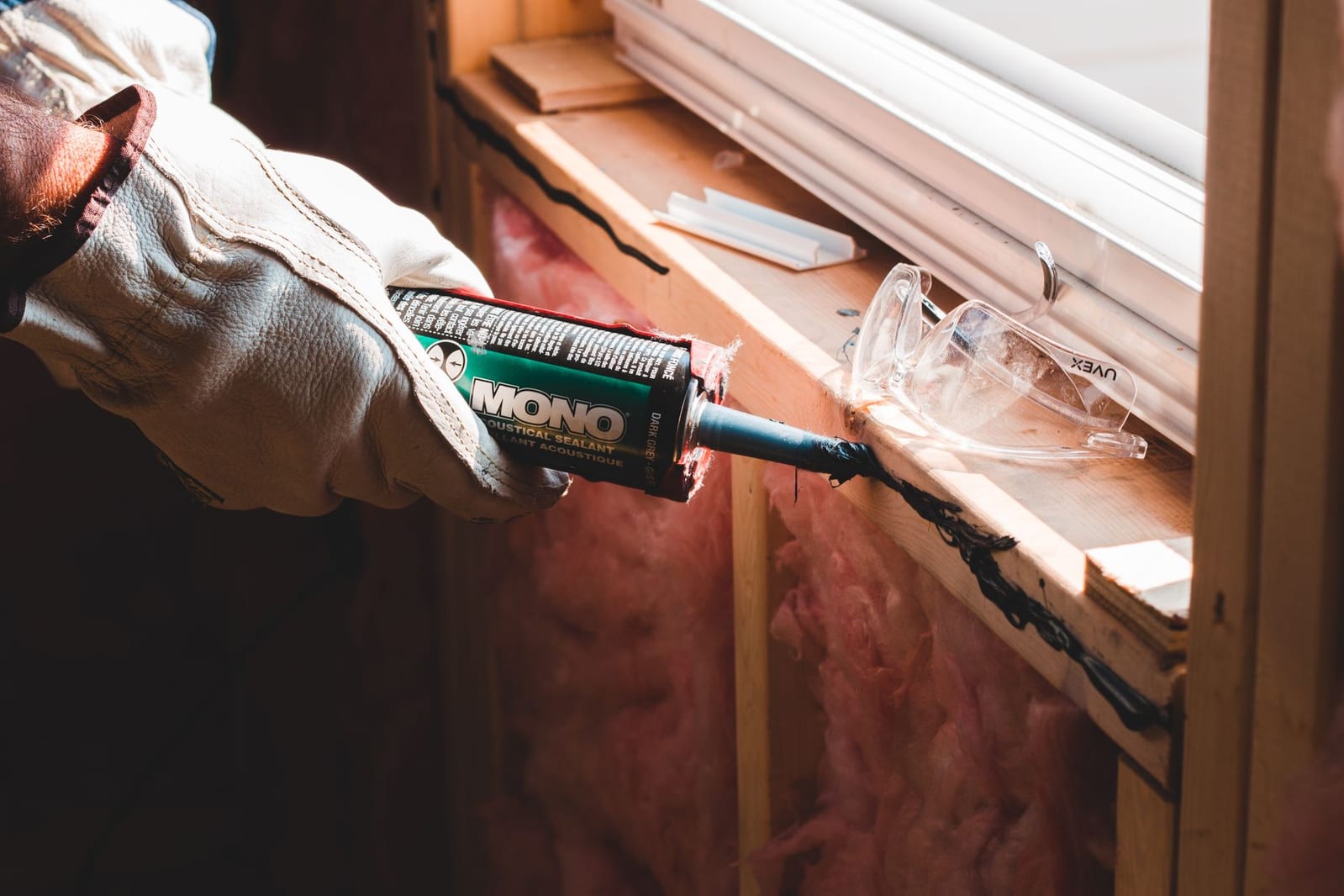
Removing one animal solves one problem; the building itself is usually still an open invitation to the next one. Wildlife exclusion is the preventative counterpart to any single-species removal — a whole-building assessment aimed at closing off every gap, gnaw point and uncapped opening that raccoons, squirrels, opossums or birds could use to get in, before anything has actually moved in.
This is distinct from the exclusion step that follows a raccoon or squirrel removal, which closes the specific entry point that animal used. Exclusion as a standalone service is proactive: a full roofline, chimney, vent and foundation review on a property with no active infestation, or on a building where one has just been resolved and the owner wants the rest of the structure hardened so it doesn't happen again next season.
Local landmarks & coverage
We serve all of Brooklyn and the surrounding Brooklyn area — including Prospect Park, Brooklyn Bridge, Barclays Center, Coney Island, Brooklyn Museum, Atlantic Avenue — across ZIP codes 11201, 11215, 11217, 11211, 11216, 11221, 11231, 11226, 11220, 11238.